


ANTI-INFLAMMATORY DIET FOR INJURY RECOVERY
Nutrition Plan for Shoulder Injury Repair
Table of Contents
- Why Nutrition Matters for Shoulder Injury Recovery
- Protein Requirements for Healing Injuries
- Anti-Inflammatory Diet for Injury Recovery
- Best Supplements for Tendon Repair
- Pre- and Post-Surgery Nutrition Timeline
- Hydration and Micronutrients: Calcium, Vitamin D, and Vitamin C
- Foods to Avoid During Shoulder Recovery
- Building Your Recovery Meal Plan
- Frequently Asked Questions
Last Updated: September 30, 2026
Why Nutrition Matters for Shoulder Injury Recovery
A nutrition plan for shoulder injury repair isn't optional. It's the difference between healing fast and getting stuck in a slow, frustrating recovery.
According to Research.gram.fit's 2026 survey of shoulder surgery patients, 80% of patients agree nutrition is critical for recovery. But here's the problem: only 40% feel confident actually implementing one. That gap costs you weeks of healing time.
Your body needs raw materials to rebuild tissue after injury. Protein builds new muscle. Vitamins and minerals strengthen bones and connective tissue. Omega-3 fats reduce inflammation. Without these nutrients in the right amounts at the right time, your shoulder stays weak longer.
Pro Tip Start your nutrition plan 1-2 weeks BEFORE surgery if possible. Your body responds better to pre-operative protein loading than scrambling to eat right after the procedure.
Protein Requirements for Healing Injuries
Protein is non-negotiable for shoulder injury repair. Your muscles, tendons, and ligaments are made of it. When you damage them, your body demands more.
The clinical standard is straightforward: 1 gram of protein per pound of body weight daily (Oregon Shoulder clinical recommendation, 2026). A 180-pound person needs 180 grams. A 220-pound lifter needs 220 grams.
This isn't a suggestion. Research from the National Library of Medicine's analysis of dietary habits and recovery, 2023, confirms that amino acids and protein directly improve tendon growth and healing outcomes.
Here's how to hit your target:
- Breakfast: 30-40g (eggs, Greek yogurt, protein powder)
- Lunch: 40-50g (chicken, fish, lean beef)
- Dinner: 40-50g (salmon, turkey, lean ground beef)
- Snacks: 20-30g (protein shake, cottage cheese, jerky)
Start this 2 weeks before surgery and maintain it for 12 weeks post-op minimum. Your tendon healing depends on it.
Key Takeaway Protein synthesis, the process your body uses to rebuild tissue, requires consistent amino acid availability. Miss your daily target and you slow collagen formation by up to 40%.
Anti-Inflammatory Diet for Injury Recovery
Inflammation after shoulder surgery is normal for the first 2-3 weeks. After that, it becomes the enemy and slows healing. Your nutrition plan must actively fight it.
The fix: prioritize omega-3 fatty acids and limit omega-6. According to the Defense Health Agency's nutrition strategies for musculoskeletal injury, 2023, this shift is critical for recovery. Omega-3s reduce systemic inflammation. Excessive omega-6 from processed foods amplifies it.
Best anti-inflammatory foods:
- Fatty fish (salmon, mackerel, sardines) - 2-3 servings weekly
- Leafy greens (spinach, kale, arugula)
- Berries (blueberries, raspberries)
- Nuts and seeds (almonds, walnuts, chia seeds)
- Olive oil (use liberally)
- Turmeric and ginger (add to meals daily)
Foods that increase inflammation:
- Vegetable oils (soybean, corn, sunflower)
- Processed meats (deli meat, sausage)
- Refined carbs (white bread, pastries, sugary drinks)
- Fried foods
- High-sugar items
Best Supplements for Tendon Repair
Whole food is your foundation. Supplements fill the gaps, but only if you pick the right ones and time them correctly. Supplement timing and drug interactions matter as much as the supplement itself.
Collagen peptides support joint health and tendon integrity directly. The mechanism is straightforward: collagen is the primary structural protein in tendons and ligaments. When you consume hydrolyzed collagen (peptides), your body absorbs the amino acids glycine, proline, and hydroxyproline, the exact building blocks tendons need. Research from the National Library of Medicine's analysis of collagen supplementation and connective tissue, 2023, confirms that 10-15 grams daily for 8-12 weeks improves tendon thickness and reduces pain.

Dosing protocol: 10-15g daily, split into two 5-7g servings. Take one serving with breakfast (with vitamin C to enhance absorption) and one with your post-physical therapy meal. Consistency matters more than brand. Mix into coffee, smoothies, or water.
Vitamin C is mandatory for collagen synthesis, your body literally cannot build new collagen without it. The clinical standard is 500 mg twice daily (Oregon Shoulder clinical recovery protocol, 2026). Most multivitamins contain 60-100 mg. You need to supplement separately.
Dosing protocol: 500 mg with breakfast, 500 mg with lunch. Take with food to improve absorption. Do not exceed 2,000 mg daily.
Joint support formulas combining glucosamine, chondroitin, and turmeric reduce pain and support cartilage. These are most useful weeks 3-8 post-surgery when inflammation subsides but mobility is limited.
Dosing protocol: Start week 3 post-op. Take 1,500 mg glucosamine + 1,200 mg chondroitin daily (usually split into two doses). Add 500-1,000 mg turmeric extract (95% curcuminoids) daily for anti-inflammatory effect.
Critical: Drug interactions you must know.
If you're on post-surgical pain medications or blood thinners, certain supplements interact dangerously:
- NSAIDs (ibuprofen, naproxen): High-dose vitamin C (over 2,000 mg daily) combined with NSAIDs increases risk of gastrointestinal bleeding. Stay under 1,000 mg daily if you're taking NSAIDs for more than 2 weeks post-op.
- Blood thinners (warfarin, apixaban): Turmeric and high-dose omega-3 supplements can potentiate blood-thinning effects. If you're on anticoagulants, discuss supplement timing with your surgeon before starting anything beyond basic collagen and vitamin C.
- Antibiotics: Some supplements reduce antibiotic absorption. Take supplements 2+ hours apart from antibiotics.
Ask your surgeon or pharmacist before adding anything beyond collagen, vitamin C, and basic joint support. Recovery is too important to guess.
Watch Out Don't chase exotic ingredients. Stick with proven compounds: collagen peptides, vitamin C, and joint support formulas. Everything else is noise. And always disclose supplements to your surgical team, they need to know what you're taking to avoid interactions with post-op medications.
Pre- and Post-Surgery Nutrition Timeline
Timing matters. Your body's nutritional needs shift dramatically before and after surgery.
2 weeks pre-surgery (protein loading phase):
Hit your full protein target daily. Eat at calorie surplus if possible. Your body will use these stored nutrients during the trauma of surgery. Case studies from Oregon Shoulder's implementation of protein loading show improved recovery outcomes and decreased healing time with this approach.
- Protein: 1g per pound bodyweight
- Calories: maintenance + 300-500
- Hydration: 1 gallon daily minimum
- Focus: whole foods, no processed junk
Practical meal adjustment for pre-op: Add a second protein source to each meal. If you normally eat 4 oz chicken at lunch, eat 6-7 oz. Add a mid-morning protein shake. Front-load protein earlier in the day since your surgeon may restrict food intake 6-12 hours before surgery.
Days 1-7 post-surgery (immediate recovery):
Appetite suppresses after surgery. Patients often fail to eat enough, which directly hinders tissue repair.
- Protein: maintain your target (this is hard but essential)
- Calories: maintenance level
- Hydration: 1.5+ gallons daily (surgery dehydrates you)
- Focus: soft foods, protein shakes, broths, easy-to-digest sources
Weeks 2-4 (inflammation management):
- Protein: maintain target
- Omega-3 focus: salmon, sardines, supplements (2-3 servings fatty fish weekly)
- Avoid: all processed foods, excess sugar, vegetable oils
- Hydration: 1+ gallon daily
Weeks 5-12 (tissue building phase):
- Protein: 1g per pound bodyweight
- Calories: maintenance + 200-300 (PT burns calories)
- Anti-inflammatory foods: continue indefinitely
- Add: strength training nutrition (post-PT clearance only)
Key Takeaway The timeline is a guide, not a law. Your individual recovery depends on age, medication, surgical complexity, and adherence. The constant: protein every single day, anti-inflammatory foods weeks 2-12, and aggressive hydration from day 1. Miss these and you slow healing by weeks.
Hydration and Micronutrients: Calcium, Vitamin D, and Vitamin C
Three micronutrients drive shoulder healing specifically:
Vitamin D regulates calcium absorption and immune function. Post-surgery, your immune system is taxed. Vitamin D helps. Target 2,000-4,000 IU daily from food or supplementation.
Foods to Avoid During Shoulder Recovery
Refined sugars spike inflammation and suppress immune function. Eliminate soda, sports drinks, juice, candy, pastries, desserts, sweetened cereals, and protein bars with 20+ grams sugar.
Watch Out Post-surgery appetite suppression is common. Skipping meals can hinder recovery. Set phone reminders and consider protein shakes if solid food is challenging. Consistent nutrition is crucial for healing.
Building Your Recovery Meal Plan
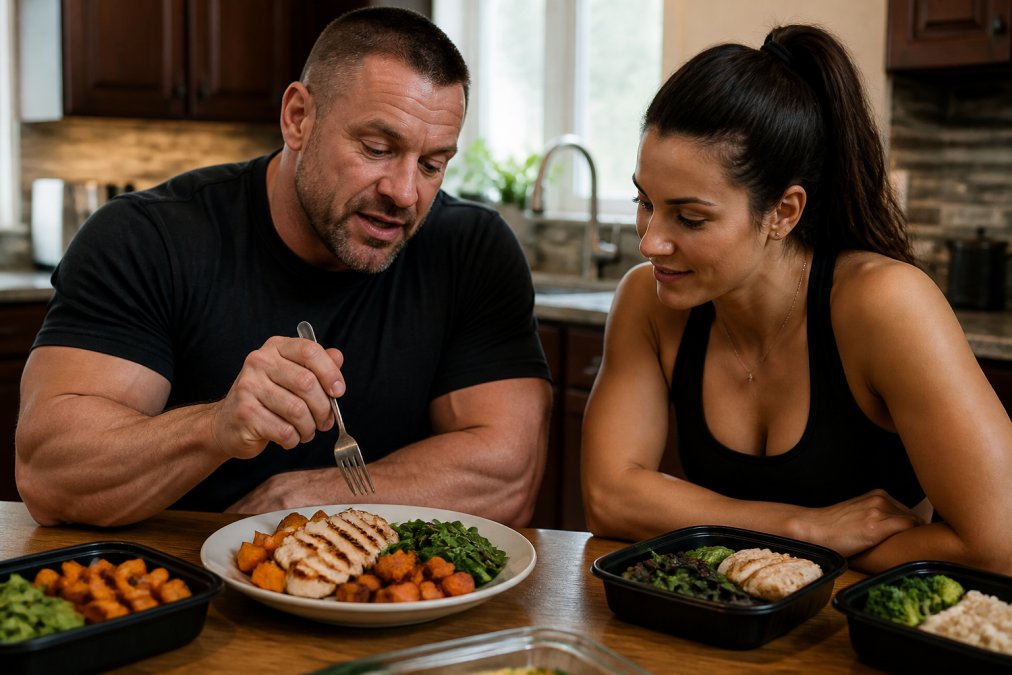
A nutrition plan for shoulder injury repair needs structure. Here's a template to follow. Use FREE TOOLS & FITNESS CALCULATORS to dial in your exact macros based on your bodyweight, age, and activity level during recovery.
Daily macros (example: 180 lb athlete):
| Macronutrient | Daily Target | Spread Across |
|---|---|---|
| Protein | 180g | 4-5 meals |
| Carbs | 225g | Breakfast, lunch, post-PT |
| Fat | 60g | All meals |
| Hydration | 1+ gallon | Throughout day |
Sample day (weeks 2-4 post-surgery):
Total: 215g protein, 1.5 gallons water, zero processed foods.
Frequently Asked Questions
How much protein do I need daily for shoulder injury recovery?
Aim for 1 gram of protein per pound of body weight daily, starting 2 weeks before surgery and continuing for 3 months post-surgery. This protein loading supports tissue repair and collagen synthesis. Oregon Shoulder's clinical protocol shows this intake accelerates recovery outcomes. If you weigh 180 pounds, that's 180 grams of protein daily. Spread it across 4-5 meals to optimize muscle protein synthesis and meet your amino acid requirements for healing.
What foods reduce inflammation after shoulder surgery?
Prioritize omega-3 rich foods: fatty fish (salmon, mackerel, sardines), walnuts, flaxseeds, and chia seeds. These reduce harmful inflammation while you recover. Limit omega-6 fats from processed foods, vegetable oils, and fried items, excessive omega-6 intake increases systemic inflammation. Add colorful vegetables (spinach, broccoli, berries) packed with antioxidants. The Defense Health Agency research confirms omega-3 focus accelerates musculoskeletal recovery. Aim for 2-3 servings of fatty fish weekly, or use fish oil supplementation.
Do I need collagen supplements for tendon repair?
Collagen is the primary structural protein in tendons and ligaments. While whole foods provide amino acids for collagen synthesis, dedicated collagen supplements deliver concentrated doses of the building blocks your body needs. Research shows collagen peptides with vitamin C cofactors enhance tendon healing. Products like MTS Collagen+ or Hi-Tech Pharma Collagen Peptides provide multiple collagen sources that support connective tissue repair. Combined with adequate protein and vitamin C (500 mg twice daily per Oregon Shoulder protocol), collagen supplements accelerate tissue regeneration.
What's the best nutrition plan timeline before and after shoulder surgery?
Start protein loading 2 weeks before surgery: hit 1 gram per pound of body weight daily to build amino acid reserves. Post-surgery weeks 1-2, prioritize hydration and soft, nutrient-dense foods if appetite is suppressed. Weeks 3-12, maintain high protein intake, add anti-inflammatory omega-3s, and ensure 500 mg vitamin C twice daily for collagen synthesis. Consistency over 3 months matters more than perfection, missing one meal won't derail recovery, but sustained underfeeding will.
Your shoulder won't rebuild itself. It needs protein, micronutrients, and anti-inflammatory foods in the right amounts at the right time. A structured nutrition plan for shoulder injury repair accelerates healing by weeks.
Start now, even before surgery if possible. Hit your protein targets. Cut inflammatory foods. Hydrate aggressively. Tiger Fitness provides the supplements, guidance, and tools to make this work. Your recovery depends on the nutrition choices you make today.
Leave a comment