


EASY-TO-DIGEST PROTEIN BARS
Are Protein Bars a Smart Way to Hit Your Daily Protein?
Last Updated: November 17, 2026
Quick Summary
Protein bars can close a daily protein gap, but only if you read the label first. Check the serving size, aim for roughly 10 grams of protein per 100 calories, and keep added sugar low. A bar works best as a tool to fill a gap, not as a meal replacement.
- Multiply every label number if the wrapper lists two servings.
- Look for roughly 10 grams of protein per 100 calories.
- Check added sugar and watch for sugar alcohols and syrups.
- Keep fiber around 3 to 5 grams and saturated fat in check.
- Use no more than three bars a day to fill gaps, not replace meals.
Need a bar that hits your protein target?Tiger Fitness stocks protein bars at clear prices, with free fitness calculators to set your daily target.
Shop Protein Bars Now
Table of Contents
- Why Protein Bars Work for Daily Protein Gaps
- How to Read a Protein Bar Nutrition Label
- Protein Bars With 20g of Protein: What to Look For
- Easy-to-Digest Protein Bars and Why Bloating Happens
- Comparing Our Bars on Protein, Sugar and Cost Per Serving
- Building a Simple Daily Plan With Protein Bars
- Pick Your Bar and Set Your Daily Protein Target
- Frequently Asked Questions
Protein bars can close the daily protein gap, but only if you know how to read them. Tiger Fitness has put together this guide to help you pick a bar that delivers real protein without the sugar and filler. Here is what matters, and what to skip.
Why Protein Bars Work for Daily Protein Gaps
Most people fall short of their protein target by lunchtime. A bar in the gym bag fixes that without cooking. Protein bars are a practical way to add protein between meals, after training, or on the road.
The catch is that a bar is still a processed food. Use it to fill a gap in your day, not to replace whole food protein.
How to Read a Protein Bar Nutrition Label
Flip the bar over before you buy. The label tells you whether it's a real protein source or a candy bar in disguise. Read the numbers first, then the ingredient list. Here is the exact order I use, and a worked example so you can do it in 30 seconds in the aisle.
Step 1: Check the Serving Size First
Everything on the label is per serving, not per wrapper. A bar that lists two servings per package means the protein number you care about only applies to half the bar. If you eat the whole thing, and most people do, double every number.
Watch out: a wrapper that says "2 servings" is the most common way a bar looks better than it is. Multiply before you judge.
Step 2: Protein Per 100 Calories
Start with grams of protein per serving, then divide by calories and multiply by 100. A useful rule: look for roughly 10 grams of protein for every 100 calories. A 200-calorie bar with 20 grams of protein clears that bar. A 200-calorie bar with 8 grams does not, it is mostly sugar and filler. This single ratio separates a protein bar from a candy bar faster than any front-of-package claim.
Step 3: Added Sugar and Sugar Alcohols
Look at added sugar, not total sugar. Total sugar includes naturally occurring sugar from milk or nuts, which is fine. Added sugar is what was poured in. Then check the ingredient list for sugar alcohols, maltitol, sorbitol, xylitol, erythritol, and for syrups like corn syrup, brown rice syrup, and tapioca syrup. Sugar alcohols can cause bloating and gas in some people, and syrups are sugar under a different name.
Step 4: Fiber and Saturated Fat
Fiber slows digestion and helps you feel full, so 3 to 5 grams per bar is a reasonable target. But a bar with 15 grams of fiber from a single isolate can wreck your stomach if you are not used to it. Saturated fat is the other number to watch, some dessert-style bars carry 6 to 8 grams per bar, which adds up fast if you eat one daily.
Step 5: Read the First Three Ingredients
Ingredients are listed by weight, so the first few tell you what the bar is actually made of. You want to see a protein source early, whey protein, milk protein isolate, egg whites, soy protein, or pea protein. If the first ingredients are syrups, glycerin, or a long list of fillers, the protein is a marketing claim, not the base of the bar. Whole nuts and real-food bases are a better sign than a long chemical list.
Worked Example
Say a bar lists 200 calories, 20 grams of protein, 1 gram added sugar, 4 grams fiber, and 6 grams saturated fat, with whey protein isolate as the first ingredient. Protein per 100 calories is 10, it clears the ratio. Added sugar is low, fiber is reasonable, and the protein source is first. That is a bar you can use daily. Now say a bar lists 240 calories, 12 grams of protein, 12 grams added sugar, and corn syrup as the first ingredient.
Protein Source Trade-Offs
Whey and milk protein are fast-digesting and complete, which makes them a strong post-training choice. Soy is complete and plant-based. Pea is plant-based but lower in methionine, so it works best in a blend. If you are lactose intolerant, whey isolate or a plant blend is usually easier than a milk-protein bar. Pick the source that suits how you digest, then run the five steps above on that bar.
Protein Bars With 20g of Protein: What to Look For
A 20-gram bar is a strong option for a single snack. The protein number is only half the story, though. A 20-gram bar loaded with sugar is still a poor choice. Look for 20 grams with low added sugar and a short ingredient list.
Here is how the three bars we carry compare on the numbers that matter.
| Bar | Price | Protein Focus | Sugar Approach | Best For |
|---|---|---|---|---|
| Outright Protein Bar | $36.99 | Whey protein, real-food base | No sugar alcohols, no artificial sweeteners | Clean-label snackers |
| Barebells Protein Bar | $3.75 | High protein, dessert flavor | No added sugar | Sweet-tooth cravings |
| Quest Protein Bars | $35.95 | 20g protein, low carb | No sugar alcohols or simple carbs | Low-carb dieters |
Price
Outright Protein Bar $36.99
Barebells Protein Bar $3.75
Quest Protein Bars $35.95
Check each product page for the exact protein and sugar numbers per flavor, since they vary.
Easy-to-Digest Protein Bars and Why Bloating Happens
Bloating from a bar can come from sugar alcohols, certain fibers or a large dose of a single protein source. If a bar sits badly, check the label for sugar alcohols and high fiber isolates first. Your own tolerance is the final test, so start with one bar and see how you feel before making it a daily habit.
Comparing Our Bars on Protein, Sugar and Cost Per Serving
Price per bar means little without protein per dollar. The Barebells bar is the lowest-priced option on the list at $3.75, with no added sugar, which makes it easy to use daily.
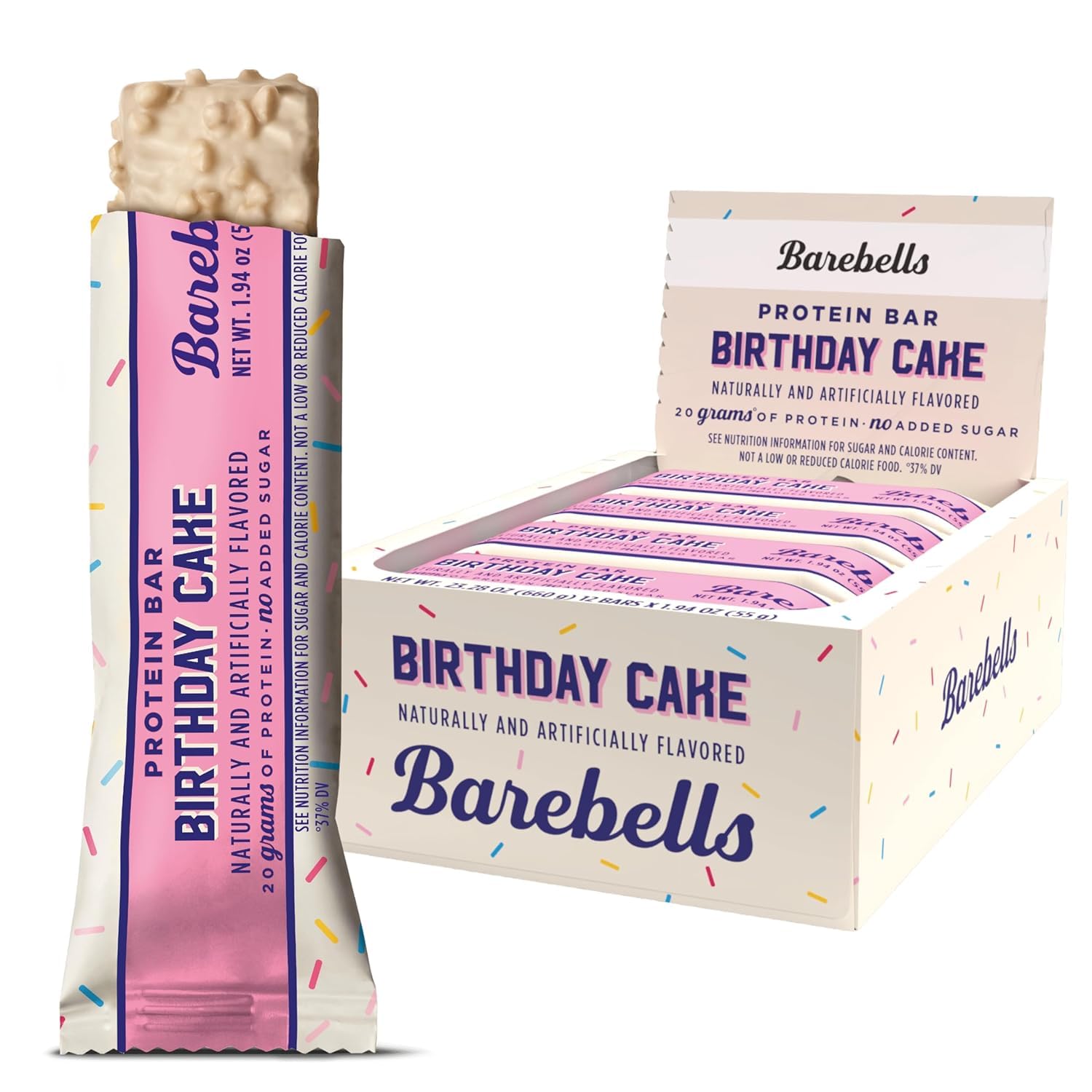
The clean way to decide is to divide the price by the number of bars in the pack, then weigh that against protein and sugar per bar. The cheapest bar is not always the best value once you count what you get per dollar.
Building a Simple Daily Plan With Protein Bars
Use bars to fill gaps, not to build your whole diet. A bar is a tool, and like any tool it works best when you know when to reach for it. Here is the framework I give people who want to use bars daily without turning them into meal replacements.

Step 1: Set Your Daily Protein Target
Your target depends on body size, activity level, age, and goal. Talk to a qualified professional to set a number that fits you, and use the protein-per-pound figure from a reputable source as a starting reference point only. These are starting points, not prescriptions, if you have kidney issues, are pregnant, or have a medical condition, talk to a qualified professional before you change your protein intake.
Step 2: Count Whole-Food Protein First
Before you decide how many bars you need, count what you already eat. Practical ways to add protein beyond bars can help you fill the gap with whole foods first. Three meals built around a whole-food protein source, eggs, chicken, beef, fish, dairy, or legumes, will get you a meaningful share of your target. The gap between that number and your target is what bars are for.
Step 3: Place Bars Where the Gap Actually Is
The gap is usually mid-afternoon, post-training, or on the road. Put one bar in each of those slots and no more:
- Mid-afternoon: one bar between lunch and dinner beats vending machine food.
- Post-training: a bar within an hour of training works when you cannot get a real meal in.
- Travel and commute: one bar in the bag covers the meal you skipped.
Three bars a day is a practical ceiling to keep in mind. Past that, you are replacing meals, not filling gaps.
Step 4: Avoid the Meal-Replacement Trap
A bar is not a meal. It is low in volume, low in water, and usually low in micronutrients compared to real food. If you find yourself eating bars instead of lunch most days, the plan has failed. The fix is to keep bars as a backup, not a default. Eat real food first, then use the bar to close the number.
Step 5: Storage and Portability
Bars are shelf-stable, but heat is the enemy. Chocolate-coated bars melt and can separate in a hot car or a gym bag left in the sun. Store them in a cool, dry place, and if you keep one in the car, rotate it out weekly so it does not sit through a summer. Check the best-by date and use the oldest first.
Step 6: Track It Against the Number
Log your total protein for a week. If the bar is counting toward a number, it is doing its job. If you are eating bars out of habit and your total has not moved, cut back. The bar is only convenient if it is actually closing the gap. Set your target, count your food, place the bar where the gap is, and let the number, not the habit, decide how many you need.
Pick Your Bar and Set Your Daily Protein Target
Start with the label. Confirm the protein, check the sugar and scan the first few ingredients. Then match the bar to your goal: a low-carb bar for cutting, a dessert-style bar for cravings, a clean-label bar for everyday use. Set your daily protein target, decide how many bars fill the gap, and buy the pack that gives you the best protein per dollar. Build the habit one bar at a time, and let the numbers, not the marketing, make the call.
Frequently Asked Questions
Is it okay to have a protein bar every day?
Yes for most healthy adults, as long as the bar fits your total calories and you do not treat it as your main protein source. Whole foods like eggs, chicken, Greek yogurt and beans should still do most of the work. Check the sugar and calorie count on the label, because some bars are candy bars in disguise. Use one bar as a tool to close a gap, not as a default snack you eat without thinking. If you have kidney disease, diabetes or another medical condition, talk to your doctor before adding a daily bar.
How can I get 20g of protein in a snack?
A protein bar with 20 grams of protein is the easiest route, since many bars in that range fit in a jacket pocket. Other options include a cup of Greek yogurt with a scoop of whey, or a cup of cottage cheese with some fruit. Compare the grams of protein against the calories on the label so you are not paying for a bar that is mostly sugar. Pick one that matches your daily calorie target and your training schedule.
What should I look for when choosing a protein bar?
Start with the nutrition label: look for at least 15 to 20 grams of protein, low added sugar, and a calorie count that fits your day. Check the fiber and saturated fat numbers next. Then read the ingredient list. Short lists with recognizable items like nut butter, whey or egg white, and oats are generally a better sign than long lists of syrups and sugar alcohols. Serving size matters too, since some packages hold two servings and the numbers you see may only cover half.
Can a protein bar replace a meal?
A bar can work as a light meal replacement in a pinch, but it will rarely match a full meal for calories, fiber and micronutrients. Bars vary widely in calories, so check the label, which is fine as a snack and usually thin as a meal for an active adult. If you need to replace a meal regularly, build the meal from real food and use the bar only when you truly cannot eat. Always check the label for serving size before you count it as a full meal.

Leave a comment