


BEST CLEAN PROTEIN POWDER WITHOUT ARTIFICIAL SWEETENERS
9 Clean Protein Powders With No Artificial Sweeteners
Last Updated: November 18, 2026
Quick Summary
The best clean protein powder avoids artificial sweeteners like sucralose, acesulfame potassium and aspartame, and the label tells you exactly what sweetens it. Whey isolate, plant blends and unsweetened options each suit different goals. Read the sweetener line and protein per serving before you buy.
- Artificial sweeteners include sucralose, acesulfame potassium, saccharin, aspartame and neotame.
- Stevia and monk fruit are natural but still sweeteners, so they are not unsweetened.
- Sugar alcohols carry calories and can cause digestive upset in larger doses.
- Unsweetened powder gives the cleanest label but often tastes chalky or flat.
- Buy a small size first and test it in the liquid you actually drink.
Want a protein powder with no artificial sweeteners?Tiger Fitness lists sweetener status and price on every protein product so you can compare clean options fast.
Shop Clean Protein
Table of Contents
- Why Artificial Sweeteners Matter in a Clean Protein Powder
- How to Choose Protein Powder Ingredients Without the Guesswork
- Whey Protein Without Artificial Sweeteners: Isolate, Concentrate and Blends
- Plant-Based Protein Powder Without Artificial Sweeteners
- Egg and Beef Protein Options for a Cleaner Label
- Unsweetened Protein Powder: What You Gain and What You Give Up
- Next Step: Pick a Clean Protein Powder for Your Goals
- Frequently Asked Questions
Why Artificial Sweeteners Matter in a Clean Protein Powder
Most people buy protein powder to build muscle, and the label they check first is the protein count. That is the wrong place to start. A tub with 25 grams of protein and a list of sucralose, acesulfame potassium and flavorings is not a clean product, no matter what the front says.
Here is the problem with the phrase "without artificial sweeteners": nobody agrees on what it means. Before you spend a dollar, you need to know which bucket a sweetener falls into, because "clean" is a marketing word, not a regulatory one. The FDA maintains the list of approved high-intensity sweeteners, and that list is the only objective line in the sand. For more on how artificial ingredients are handled across sports nutrition, read how to avoid artificial ingredients in sports nutrition. Everything else is your call.
Artificial sweeteners. These are the synthetic high-intensity sweeteners: sucralose (Splenda), acesulfame potassium (Ace-K), saccharin, aspartame, and neotame. They are hundreds of times sweeter than sugar, add zero or near-zero calories, and show up on labels as sucralose, acesulfame potassium, or aspartame. If your definition of clean excludes synthetic compounds, these are the ones to strike.
Natural non-nutritive sweeteners. Stevia (steviol glycosides) and monk fruit (monk fruit extract) come from plants and are still hundreds of times sweeter than sugar with negligible calories. They are not artificial, but they are still sweeteners. Some people taste a bitter or licorice-like finish from stevia; monk fruit tends to be cleaner but costs more. Do not let a "naturally sweetened" banner convince you the product is unsweetened, it is not.
Sugar alcohols. Erythritol, xylitol, maltitol and sorbitol are carbohydrates that taste sweet but are poorly absorbed. They carry calories (though fewer than sugar) and, in larger doses, can cause digestive upset. Erythritol is common in low-carb powders; maltitol is the one most likely to send you running for the bathroom.
Added sugar. Cane sugar, coconut sugar, honey, maple syrup and tapioca syrup are all sugar. A powder sweetened with cane sugar is not artificial, but it is not low-calorie either. Read the added sugars line on the Nutrition Facts panel.
Unsweetened. No sweetener of any kind. This is the strictest definition and the shortest ingredient list. It is also the hardest to drink plain, which is why so few products are sold this way.
So when a label says "no artificial sweeteners," ask the follow-up: sweetened with what? A stevia-sweetened powder and an unsweetened powder are both free of sucralose, but they are not the same product. Decide which definition you are shopping by before you compare tubs, and the rest of the label gets a lot easier to read.
What matters for your purchase is simpler: you can read the label and see exactly which category the sweetener falls into.
How to Choose Protein Powder Ingredients Without the Guesswork
Pick up the tub and read the ingredient panel before you look at the price. Check the protein per serving, the serving size and the sweetener line. If the list says "natural flavors" and nothing else, ask what that means. If it says "proprietary blend," the company is not showing you how much of each ingredient is in the scoop.
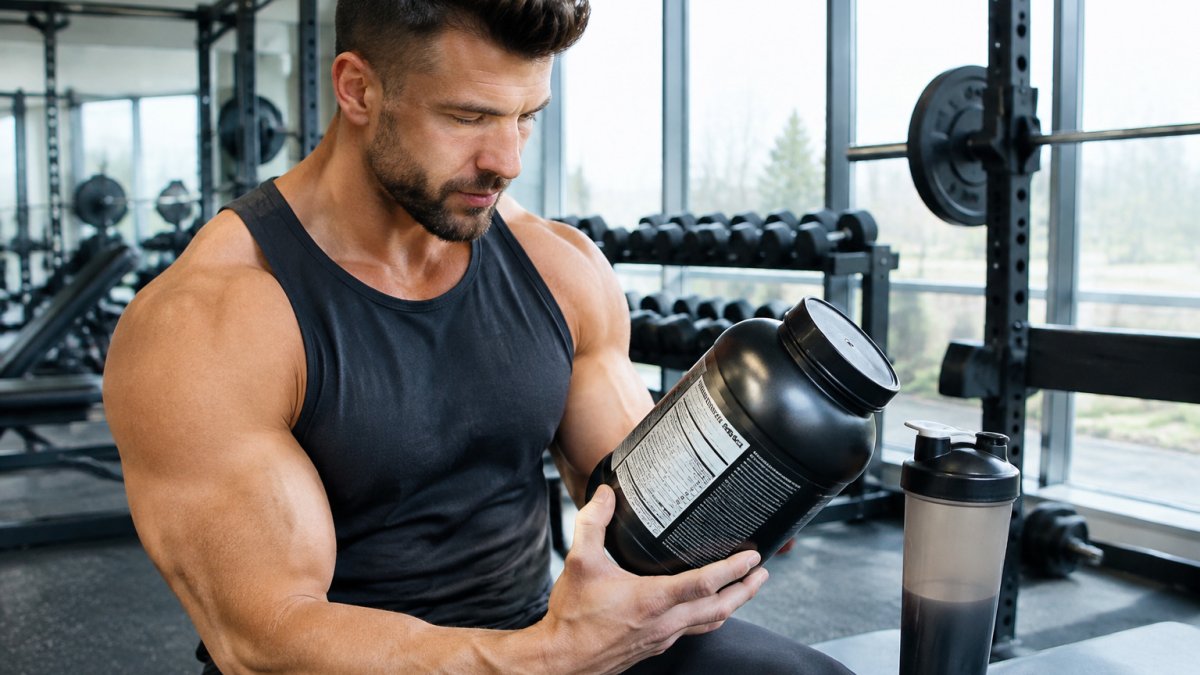
Look for one of two things: a short list with the protein source named first, or a clear statement that the product contains no artificial sweeteners, flavors or colors.
Watch out: a "natural" sweetener like stevia or monk fruit is still a sweetener. It is not the same as sucralose, but it changes how the shake tastes, and some people notice it.
Whey Protein Without Artificial Sweeteners: Isolate, Concentrate and Blends
Whey is the most common base, and it comes in three forms. Concentrate is the cheapest and carries more fat and lactose. Isolate is filtered further, so it has more protein per gram and less of the rest. Blends mix the two, sometimes with hydrolyzed whey for faster digestion.
Whey does not require artificial sweeteners to taste good. The Unmatched Isolate is a 100% whey protein isolate listed at $59.99. Mutant Hardcore ISO is also a whey isolate, priced at $45.95. NuEthix ISO-Perfect is a whey isolate with a digestive support blend, listed at $39.99. Rule 1 Whey Protein blends concentrate, isolate and hydrolyzed isolate, and is listed at $59.95. Spoken Grass-Fed Whey + Collagen Protein, at $82.95, adds collagen peptides to grass-fed whey.
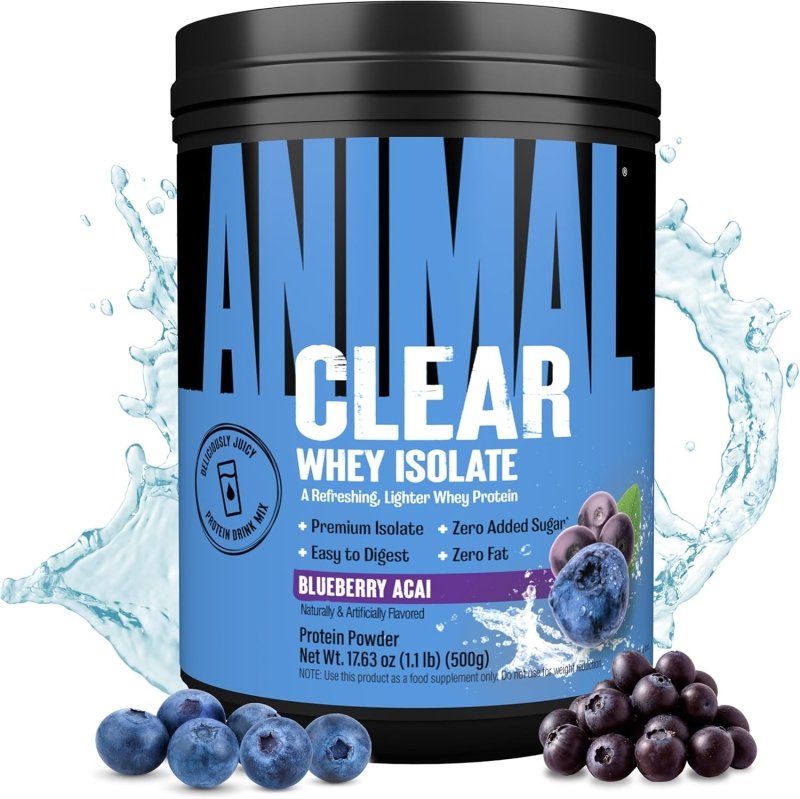
Check each label for the sweetener line before you buy. For a concrete whey isolate to compare against these options, see Animal Clear Whey Isolate.
Unflavored and Lightly Sweetened Options
If you want the least added ingredients, unflavored or lightly sweetened whey gives you the most control. You can flavor it with fruit, cocoa or a spoon of plain yogurt. Unflavored powders also tend to have the shortest ingredient lists, which makes them easy to verify.
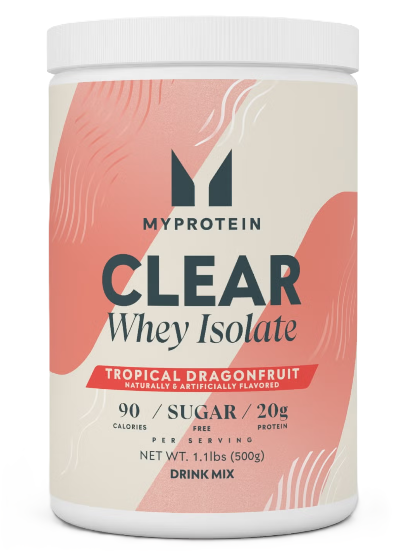
Lightly sweetened is the middle ground. It tastes better than unflavored for most people, and the label tells you exactly what sweetened it. Compare a low-sugar whey isolate drink mix to see what this looks like in practice.
Here is how the whey options compare on the points that matter most when you check the label.
| Product | Type | Listed price |
|---|---|---|
| Unmatched Isolate | 100% whey protein isolate | $59.99 |
| Mutant Hardcore ISO | Whey isolate | $45.95 |
| NuEthix ISO-Perfect | Whey isolate with digestive support blend | $39.99 |
| Rule 1 Whey Protein | Concentrate, isolate and hydrolyzed isolate blend | $59.95 |
| Spoken Grass-Fed Whey + Collagen | Grass-fed whey with collagen peptides | $82.95 |
Listed price
Unmatched Isolate $59.99
Mutant Hardcore ISO $45.95
NuEthix ISO-Perfect $39.99
Rule 1 Whey Protein $59.95
Spoken Grass-Fed Whey + Collagen $82.95
Plant-Based Protein Powder Without Artificial Sweeteners
Plant-based powders usually need more help with flavor than whey does. Pea, rice and soy blends can taste earthy, so many manufacturers add sweeteners to cover it. That makes the label check more important, not less.
Tiger Fitness carries several plant options. Rule 1 Plant Protein is listed at $32.99. GHOST Vegan Protein is listed at $49.99. GHOST Vegan Protein V2, also at $49.99, is a 100% plant-based blend built for smoother texture.
Read the ingredient list on each one.
Egg and Beef Protein Options for a Cleaner Label
If dairy and plant proteins are not your fit, animal-based options exist. Gaspari Proven Egg is a 100% egg white protein, listed at $64.99 with 25 grams of protein and 8 grams of BCAAs per serving.
Redcon1 MRE is a different category. It is a whole-food meal replacement built from beef, salmon, chicken, egg, brown rice and pea protein, with sweet potato, oats and yam for carbohydrates. It is listed at $79.99. It is a meal, not a simple protein shake, so compare it on calories and use, not on protein per dollar alone.
Unsweetened Protein Powder: What You Gain and What You Give Up
Unsweetened powder gives you the cleanest label and the most predictable ingredient list. You know exactly what is in the scoop. The trade-off is taste. Plain whey or egg white can taste chalky or flat, and many people quit a powder they do not like.
Buy a small size of an unsweetened product first. Mix it with the liquid you actually use, whether that is water, milk or a banana, and see if you will drink it every day. A clean powder you finish is better than a perfect one that sits in the cupboard.
Watch out: do not assume "unsweetened" means "unflavored." Some products are unsweetened but still contain flavoring, so check the label line by line.
Next Step: Pick a Clean Protein Powder for Your Goals
Start with the ingredient panel, then match the powder to your goal. Whey isolate suits a low-carb, lean plan. Plant blends suit a dairy-free diet. Egg white suits a whole-food approach. Whole-food meal replacement suits a day when you need a full meal.
Read the sweetener line, check the protein per serving and compare the price per serving before you buy. If you want to run the numbers on your own intake, Tiger Fitness's Free Tools & Fitness Calculators can help you work out your daily numbers.
U.S. Food and Drug Administration guidance on sweeteners in food
USDA FoodData Central nutrient database
National Institutes of Health Office of Dietary Supplements
Frequently Asked Questions
What is the cleanest protein powder without artificial sweeteners?
The cleanest options are protein powders whose label lists only the protein source and, at most, a natural flavoring. Egg white protein and whey isolate are common examples in the Tiger Fitness lineup, such as Gaspari Proven Egg at $64.99 and Mutant Hardcore ISO at $45.95. Check the ingredient list before you buy, because "natural flavors" and sweetener names such as sucralose or acesulfame potassium are easy to miss on the front of the tub. If the label is short and every ingredient is recognizable, you are on the right track.
How can you tell if a protein powder has artificial sweeteners?
Read the full ingredient list, not the marketing on the front. Common artificial sweeteners include sucralose, acesulfame potassium and aspartame. Stevia and monk fruit are plant-derived sweeteners and are not artificial, but they still add sweetness, so decide whether you want any sweetener at all. Products labeled unflavored or unsweetened will have no sweetener in the ingredient list. When a label says "no artificial sweeteners," confirm that the ingredient list agrees before you commit to a large tub.
Is unsweetened protein powder a good option?
Yes, if you mix your shakes with fruit, milk or a little natural flavoring and you do not mind a more neutral taste. Unsweetened powders give you full control over what goes into your shake and avoid sweeteners entirely. The trade-off is taste: an unflavored whey or plant powder can be bland and chalky, so start with a small size. For most lifters, a lightly flavored powder with a short ingredient list is the practical middle ground.
Is whey or plant protein better for everyday use?
Whey protein mixes easily and is a common default for lifters. Plant-based powders such as GHOST Vegan Protein V2 at $49.99 or Rule 1 Plant Protein at $32.99 are the right choice if you avoid dairy or animal products. Pick the one that fits your diet and that you will actually drink daily. Total daily protein intake matters more than which source you choose.

Leave a comment